
Uncategorized

Can You Renew an Expired Vehicle in India? State-Wise Reality Explained
Uncategorized

Can You Renew an Expired Vehicle in India? State-Wise Reality Explained

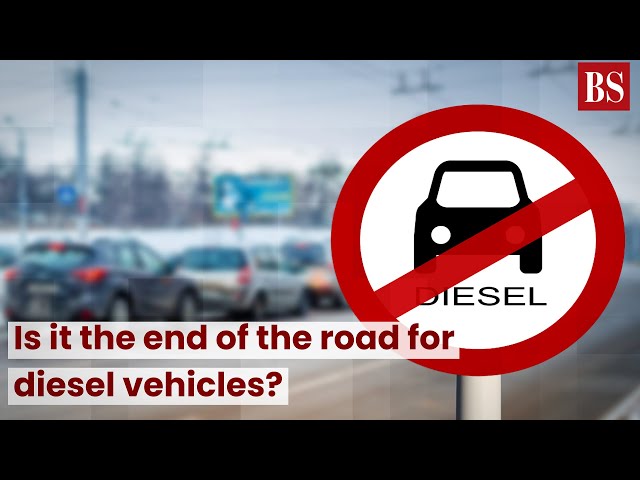
Here’s a fully written, human-first, AdSense-safe blog on the topic you selected.The tone is calm, practical, and experience-based — not legal-heavy, not AI-ish, not sensational. You can publish this directly. Can You Renew an Expired Vehicle in India? State-Wise Reality Explained One of the most common assumptions among car owners in India is: “Expiry ke baad renew ho jaati hai.” Sometimes that’s true.Sometimes it’s completely false. The reality is that vehicle renewal rules in India are not the same everywhere.They depend heavily on where the vehicle is registered and where it is used. Let’s break this down in a clear, practical way — without rumours or confusion. First, What Does “Vehicle Expiry” Actually Mean? When a car completes: 15 years (petrol) or 10 years (diesel in some regions) …it reaches the end of its initial registration validity. After this: The vehicle is no longer automatically legal Renewal or fitness certification becomes mandatory In some regions, renewal may not be allowed at all This is where state-wise differences come in. Renewal Rules in Delhi NCR: The Strictest Reality If your vehicle is used in Delhi NCR, renewal options are very limited. Due to pollution concerns and orders influenced by bodies like the National Green Tribunal, Delhi NCR follows the strictest enforcement in the country. What this means in practice: Diesel vehicles older than 10 years → Renewal usually not allowed Petrol vehicles older than 15 years → Renewal generally denied Even a perfectly maintained car can be refused In most cases, once the limit is crossed: The vehicle must be deregistered Scrapping becomes the only practical option Transfer or resale inside NCR becomes almost impossible This is why Delhi NCR buyers and owners need to be extra cautious. What About Other States in India? Outside Delhi NCR, the situation is more flexible, but still not guaranteed. In many states: Vehicles can be renewed after 15 years Renewal is usually granted for 5 years at a time Passing a fitness test is mandatory However, renewal depends on: Physical condition of the vehicle Emission levels RTO discretion State-level enforcement strictness A car that passes fitness in one state may fail in another. Can You Renew an NCR Vehicle in Another State? This is another common question: “Delhi ki gaadi bahar renew ho sakti hai?” Technically, transferring a vehicle to another state and attempting renewal is possible — but it’s not simple. Challenges include: NOC requirements Address proof in the new state Re-registration procedures Increased scrutiny for old vehicles Even after all this, renewal is not guaranteed, especially for diesel vehicles. So while people talk about this option, it’s rarely smooth in real life. Commercial Vehicles vs Private Vehicles Commercial vehicles follow even stricter fitness norms. Fitness tests are more frequent Renewal periods are shorter Enforcement is tighter Private vehicle owners usually have slightly better chances outside NCR, but age still plays a major role. Why Renewal Is Becoming Harder Everywhere Over the years, India’s approach to old vehicles has changed. Key reasons: Rising pollution levels Better emission technology in newer vehicles Push toward cleaner mobility National Vehicle Scrappage Policy What was easily renewable 10–15 years ago may not be today — and will likely be even harder in the future. What This Means for Car Owners and Buyers If you already own an old vehicle: Don’t assume renewal will be allowed Plan exit or replacement early Avoid investing heavily in a near-expiry car If you’re buying a second-hand vehicle: Check remaining legal life first Especially important for Delhi NCR usage A “cheap” car with no renewal option can be a loss Knowing expiry beforehand gives you choices.Finding out late removes them. The Smarter Way to Approach Vehicle Expiry Instead of asking: “Renew ho jayegi ya nahi?” A better question is: “Is this car worth keeping or buying at this stage?” That depends on: Registration year Fuel type State of use Enforcement reality — not assumptions Final Thought Vehicle renewal in India is not a single rule, but a state-wise reality. What works in one city may fail in another.What was possible earlier may no longer be allowed today. The biggest mistake car owners make is planning based on hope instead of rules. Understanding expiry and renewal early helps you: Avoid legal trouble Avoid financial loss Make calmer, smarter decisions And in today’s environment, clarity is far more valuable than assumptions.

Uncategorized

No Vehicle Below BS6 Registered Outside Delhi-NCR Is Allowed in Delhi: What the New Rule Really Means

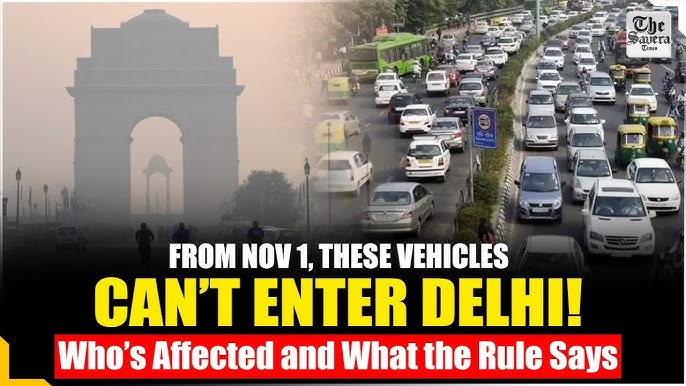
Over the last few years, vehicle rules in Delhi have become stricter than anywhere else in India.Recently, many vehicle owners started hearing a new statement: “No vehicle below BS6, registered outside Delhi-NCR, is allowed to enter Delhi.” This has created confusion, panic, and misinformation — especially among people who: Live in nearby states Travel frequently to Delhi Own older petrol or diesel vehicles Buy or sell second-hand cars So let’s break this down clearly and honestly. First, What Is BS6? BS6 (Bharat Stage 6) is the latest emission standard in India, implemented nationwide in April 2020. In simple terms: BS6 vehicles emit significantly fewer pollutants They are cleaner and more environment-friendly Older vehicles (BS3, BS4) produce higher emissions Delhi’s pollution problem is severe, and vehicle emissions are a major contributor. What the “New Rule” Actually Refers To The statement“No vehicle below BS6 registered outside Delhi-NCR is allowed in Delhi”is not a blanket, permanent ban in all situations. Instead, it applies mainly during: High pollution periods GRAP (Graded Response Action Plan) stages Emergency air quality restrictions During severe pollution levels: Non-Delhi registered vehicles That are below BS6 Are restricted from entering Delhi This is done to reduce sudden spikes in pollution caused by older, high-emission vehicles entering the city. Why Outside-Registered Vehicles Are Targeted Many people ask: “Why only vehicles registered outside Delhi-NCR?” The reason is enforcement and impact. Delhi already enforces: 10-year limit for diesel vehicles 15-year limit for petrol vehicles Vehicles registered outside NCR may: Be older Follow different state-level enforcement Not face the same restrictions in their home state During pollution emergencies, authorities limit external sources of emissions first, and outside-registered vehicles fall into that category. Does This Mean You Can Never Enter Delhi With a BS4 Vehicle? Not exactly. Here’s the practical reality: During normal air quality conditions → restrictions may not apply During GRAP Stage 3 or Stage 4 → restrictions are strictly enforced Enforcement depends on: Pollution level Current court or administrative orders On-ground checks This is why people experience: Being stopped on some days Being allowed on others It’s not random — it’s pollution-driven enforcement. Impact on Second-Hand Car Buyers This rule has a huge impact on second-hand car decisions. If you’re buying a vehicle that is: Registered outside Delhi-NCR Below BS6 Intended to be used in Delhi You should think twice. Even if the car is: Mechanically perfect Cheap Recently serviced It may face: Entry restrictions Usage limitations Lower resale value Future compliance problems Many buyers only realize this after purchase, which leads to losses. Impact on Daily Commuters & Travelers People who: Live in Haryana, UP, Rajasthan Travel daily or occasionally to Delhi Must stay alert during: Winter months Pollution spikes GRAP announcements A vehicle that is legal in one state can still be restricted inside Delhi on certain days. Why These Rules Are Getting Stricter Over Time This is not a temporary trend. Delhi’s vehicle rules are becoming stricter because: Pollution levels remain critical Older emission standards are no longer acceptable Courts and environmental bodies are actively monitoring enforcement What feels like a “new rule” today often becomes permanent practice tomorrow. Delhi usually acts as a testing ground — other cities may follow in the future. What Vehicle Owners Should Do Now Instead of relying on assumptions, vehicle owners should: Know their vehicle’s emission standard Understand where it is registered Be aware of city-specific rules Plan usage and resale before restrictions hit If you own or plan to buy a non-BS6 vehicle, especially from outside Delhi-NCR, you must factor these limitations into your decision. Final Thought The rule restricting non-BS6, outside-registered vehicles from entering Delhi is not about punishment — it’s about pollution control. But for vehicle owners, the effect is real: Restricted movement Reduced value Legal uncertainty Understanding these rules early helps you avoid: Bad purchases Unexpected restrictions Financial loss In today’s environment, vehicle ownership is no longer just about buying a car —it’s about knowing where, when, and how long you’ll be allowed to use it.

How India’s Vehicle Expiry Rules Evolved Over Time
Uncategorized

How India’s Vehicle Expiry Rules Evolved Over Time

Vehicle expiry rules in India often feel sudden and confusing to car owners — especially when enforcement becomes strict overnight. Many people ask: “Earlier toh koi expiry nahi hoti thi?” “Ye 10–15 saal ka rule achanak kaha se aa gaya?” “Why is Delhi NCR treated differently?” To understand today’s vehicle expiry rules, it’s important to look at how and why they evolved over time. The Early Years: No Fixed Vehicle Life In the early decades after independence, India had no fixed expiry period for vehicles. As long as: The car was mechanically fit It passed basic checks Taxes were paid …vehicles could legally run for decades. It was common to see: 20–30 year old cars Commercial vehicles running far beyond today’s limits Minimal enforcement around emissions At that time, the number of vehicles on Indian roads was relatively low, and pollution levels were not as alarming. Rising Pollution & Urban Pressure By the late 1990s and early 2000s, things started changing rapidly. India saw: Massive growth in private vehicle ownership Rapid urbanisation Increasing air pollution in major cities Cities like Delhi began recording dangerous air quality levels, especially during winter months. It became clear that: Older vehicles emitted significantly more pollutants Technology in older engines couldn’t meet modern emission standards Fitness checks alone were not enough This is when the conversation around vehicle life limits began. The Role of Courts and Environmental Bodies The major turning point came with the involvement of courts and environmental authorities. The National Green Tribunal (NGT) played a key role in shaping modern vehicle expiry rules. Based on pollution data and expert studies, the NGT introduced stricter measures to control vehicular emissions — especially in highly polluted regions. One of the most impactful decisions was: Diesel vehicles older than 10 years should not be allowed to operate in Delhi NCR Petrol vehicles older than 15 years should also be phased out These rules were not based on vehicle condition alone, but on environmental impact over time. Why Diesel Vehicles Faced Stricter Limits Diesel vehicles were targeted first because: Older diesel engines emit higher levels of particulate matter They contribute significantly to respiratory illnesses Their emission control technology becomes ineffective with age That’s why: Diesel cars were capped at 10 years in Delhi NCR Petrol cars were given a longer life of 15 years This distinction still exists today and heavily affects second-hand car buyers. Expansion Beyond Delhi NCR Initially, these rules were enforced strictly only in Delhi NCR. Over time: Other high-pollution regions began considering similar restrictions Scrappage policies were introduced at the national level Fitness tests became stricter for older vehicles While enforcement varies from state to state, Delhi NCR remains the strictest, acting as a preview of what other cities may face in the future. The Introduction of the Vehicle Scrappage Policy To manage old vehicles systematically, the government later introduced the Vehicle Scrappage Policy. Its goals were: Remove unfit and highly polluting vehicles from roads Encourage adoption of cleaner vehicles Formalize scrapping instead of illegal resale This policy further reinforced the idea that vehicles are no longer meant to run indefinitely. Why These Rules Feel Sudden to Car Owners The biggest issue is not the rules themselves — it’s lack of awareness. Most car buyers are never clearly told: How long their vehicle will be legally allowed How rules change by region What happens after expiry As a result, people feel “caught off guard” when: Renewals are denied Vehicles are seized Scrapping becomes mandatory In reality, the rules evolved gradually — but awareness didn’t. What This Evolution Means for Today’s Car Owners Today, vehicle ownership in India requires planning, not assumptions. You must consider: Fuel type Registration year City or state of use Long-term legality, not just short-term usability A car that looks affordable today may have very limited legal life left, especially in NCR regions. The Bigger Picture India’s vehicle expiry rules didn’t appear overnight. They evolved as a response to: Rising pollution Public health concerns Rapid urbanisation Environmental responsibility While inconvenient for some, these rules are now a permanent part of vehicle ownership. Understanding their history helps you: Make better buying decisions Avoid legal and financial surprises Plan vehicle usage realistically Final Thought Vehicle expiry is no longer just a rule — it’s a reality shaped by years of environmental and legal decisions. Knowing why these rules exist makes it easier to accept them.Knowing when they apply helps you stay ahead of them. And staying informed is always cheaper than being surprised later.

The Real Cost of Ignoring Vehicle Expiry
Uncategorized

The Real Cost of Ignoring Vehicle Expiry

Most car owners don’t intentionally ignore vehicle expiry.It’s usually not carelessness — it’s lack of clarity. The car runs fine.The engine feels smooth.There’s no warning light on the dashboard. But vehicle expiry in India has nothing to do with how well your car runs. It’s about legal validity — and ignoring it can quietly cost you far more than you expect. Let’s break down the real cost of not knowing (or ignoring) your car’s expiry status. 1. Fines Are Just the Beginning Most people think the worst outcome is a traffic challan. Yes, driving an expired vehicle can lead to: Traffic fines Seizure notices Penalties during routine checks But fines are the smallest loss in the bigger picture. In cities like Delhi NCR, enforcement is strict. Cameras, pollution drives, and random checks make it increasingly hard to “manage” an expired vehicle. And once your car is flagged in the system, the problems don’t stop at one challan. 2. Insurance Becomes a Big Risk This is where most people take a serious hit. If your vehicle has crossed its allowed life: Your insurance may still look active But claims can be rejected due to invalid registration In case of an accident: Repair costs come out of your pocket Third-party liability can turn into a legal nightmare Many people only realize this after an accident, when it’s already too late. A car without valid registration is not just illegal — it’s financially dangerous. 3. Zero Resale Value (Even If the Car Is Perfect) One of the biggest hidden costs is loss of resale value. A car nearing expiry: Loses value rapidly Attracts only scrap buyers or uninformed buyers Becomes difficult to transfer legally In Delhi NCR: Diesel cars after 10 years Petrol cars after 15 years …are extremely hard to sell, no matter how good their condition is. People often overinvest in: Repairs Tyres Detailing Only to realize later that the car has no real market value left. 4. Renewal Isn’t Always an Option (Especially in NCR) A common assumption is: “Expiry ke baad renew ho jayegi.” That may be true in some states — but not reliably in Delhi NCR. Due to NGT rules: Many vehicles are not eligible for renewal Fitness tests alone don’t guarantee approval Scrapping becomes the only option This means: You lose the car suddenly You lose the money you invested in it You’re forced into an unplanned purchase Knowing expiry in advance helps you exit smartly, not urgently. 5. Second-Hand Buyers Suffer the Most Ignoring expiry hurts second-hand buyers more than anyone else. A car may look like a great deal: Low price Decent condition Trusted dealer But if it has only 1–2 years of legal life left, the “cheap” deal becomes expensive very quickly. Many buyers realize this only when: RC transfer fails Renewal is denied Authorities refuse registration in NCR This is why checking expiry before buying is not optional — it’s essential. 6. Mental Stress & Uncertainty There’s also a cost that doesn’t show up on paper. Driving an expired or near-expiry vehicle creates: Constant fear of being stopped Anxiety during police checks Confusion about what’s legal and what’s not A car is supposed to give convenience — not stress. Clarity about expiry removes that mental burden. Why This Problem Exists in the First Place Vehicle expiry rules in India: Are not clearly explained at purchase time Change based on region Are enforced differently across states Most people are never told: When exactly their car expires What happens after expiry Whether renewal is even possible That gap in awareness is where most losses happen. How to Avoid These Costs The solution is surprisingly simple:Know your car’s expiry early. You don’t need: RC copies Registration numbers Government portals Just knowing: Registration year Fuel type City/state …is enough to plan ahead. Whether you’re: Owning a car Planning to sell Buying second-hand Expiry awareness gives you control, not surprises. Final Thought Ignoring vehicle expiry doesn’t save money.It quietly destroys value, increases risk, and limits your options. A car should be a convenience — not a ticking clock you’re unaware of. Knowing your vehicle’s legal life isn’t about rules or fear.It’s about making smarter, calmer, and financially sound decisions. That’s exactly why tools like Carexpirycalculator.com exist —to replace confusion with clarity, before the cost becomes real.

Car Expiry Calculator: How to Instantly Check Vehicle Validity Online
Uncategorized

Car Expiry Calculator: How to Instantly Check Vehicle Validity Online

If you own a car or bike in India, there’s one date you must be aware of — your vehicle expiry date. Most people only realize their vehicle has expired when: They’re stopped by traffic police Their RC renewal is rejected They try to sell the vehicle Or they receive unexpected fines This is exactly why a Car Expiry Calculator exists — to help you instantly check your vehicle’s validity before problems begin. In this detailed guide, you’ll learn: What car expiry really means in India Why checking vehicle validity is important How a car expiry calculator works How to check your car or bike expiry online in seconds What happens after a vehicle expires And what options you have as a vehicle owner Let’s break everything down clearly and simply. What Does Car Expiry Mean in India? In India, every vehicle is registered with the Regional Transport Office (RTO) for a fixed validity period. For private vehicles, the standard rules are: Initial registration validity: 15 years After expiry: Renewal required every 5 years (after fitness test) Once this validity period ends: Your RC (Registration Certificate) expires The vehicle becomes illegal to drive You may face fines, penalties, or seizure Vehicle expiry rules exist mainly to: Control pollution Ensure road safety Remove old and unfit vehicles from roads Why Most Vehicle Owners Miss Their Expiry Date Let’s be honest — very few people remember their car’s registration date after buying it. Some common reasons people miss expiry dates: RC is stored digitally and never checked again Vehicle was purchased second-hand No clear reminder system Confusion between manufacturing year and registration year This is where an online car expiry calculator becomes extremely useful. What Is a Car Expiry Calculator? A Car Expiry Calculator is an online tool that instantly tells you: Your vehicle’s RC expiry date How many days/months are left Whether the vehicle is expired or still valid Instead of manually calculating dates or searching documents, the calculator does the work for you in seconds. What You Typically Need: Vehicle registration date OR Vehicle number (in some tools) Once entered, the calculator automatically applies RTO validity rules and gives you an accurate result. How to Instantly Check Vehicle Validity Online Checking your vehicle expiry online is extremely simple. Method 1: Using a Car Expiry Calculator (Fastest) This is the easiest method and works for both cars and bikes. Steps: Open a car expiry calculator tool Enter your vehicle’s registration date Select vehicle type (private/commercial) Click “Calculate” Within seconds, you’ll see: Exact expiry date Remaining validity period Expired / Active status No login. No paperwork. No confusion. Method 2: Checking via Parivahan Website You can also check vehicle validity through the official Parivahan portal. Steps: Visit the Parivahan vehicle services website Enter your vehicle registration number Submit details You’ll be able to see: Registration validity Fitness validity Other vehicle details However, many users find this method slow or confusing — which is why calculators are preferred. Car Expiry Rules for Different Vehicle Types 🚗 Private Vehicles (Cars & Bikes) Initial validity: 15 years Renewal: Every 5 years after expiry Fitness test required for renewal 🚕 Commercial Vehicles Shorter validity period Fitness certificate required more frequently Stricter enforcement If you’re unsure about your vehicle category, a car expiry calculator helps eliminate mistakes. What Happens When Your Car Expiry Date Is Crossed? Once your vehicle expires, several issues can arise. 1. Driving Becomes Illegal An expired RC means: You’re legally not allowed to drive the vehicle Traffic police can issue challans 2. Heavy Fines & Penalties Fines may include: Late RC renewal charges Daily penalties in some states 3. Problems During Sale or Transfer An expired vehicle: Loses resale value Cannot be transferred easily Creates trust issues with buyers 4. Fitness Test Complications Older vehicles may: Fail fitness tests Require expensive repairs How to Renew Your Vehicle After Expiry If your vehicle has expired, don’t panic. Renewal is possible in most cases. RC Renewal Process (Overview): Apply for RC renewal at RTO or online Book a fitness test Pay renewal fees and penalties (if any) Vehicle inspection is conducted RC is renewed for 5 years A car expiry calculator helps you plan this before expiry, saving money and stress. Why You Should Check Vehicle Expiry Regularly Checking your vehicle expiry once a year can save you from: Legal trouble Unexpected fines Last-minute RTO rush It also helps you: Plan vehicle upgrades Decide resale timing Maintain compliance Think of it like checking your phone’s battery — a small habit that prevents big inconvenience. Benefits of Using an Online Car Expiry Calculator Here’s why more vehicle owners are switching to online tools: ✔ Instant results✔ No paperwork required✔ Accurate RTO-based calculation✔ Works for cars and bikes✔ Free and accessible anytime Instead of guessing dates or relying on memory, you get clarity in seconds. Common Myths About Car Expiry (Cleared) Myth: Manufacturing year decides expiry👉 Truth: Registration date decides expiry Myth: Old cars are automatically banned👉 Truth: Renewal is possible after fitness test Myth: Only Delhi NCR has strict rules👉 Truth: Vehicle expiry rules apply across India Final Thoughts A vehicle is not just a machine — it’s a responsibility. Knowing your car or bike’s expiry date is a small step that protects you from: Legal trouble Financial loss Unnecessary stress With an online Car Expiry Calculator, checking vehicle validity takes less than a minute — and gives you complete peace of mind. If you haven’t checked your vehicle expiry yet, now is the right time. 👉 Use the Car Expiry Calculator and stay road-legal, stress-free, and informed.

Uncategorized

BS4 vs BS6: How Pollution Norms Affect Your Car’s Lifespan

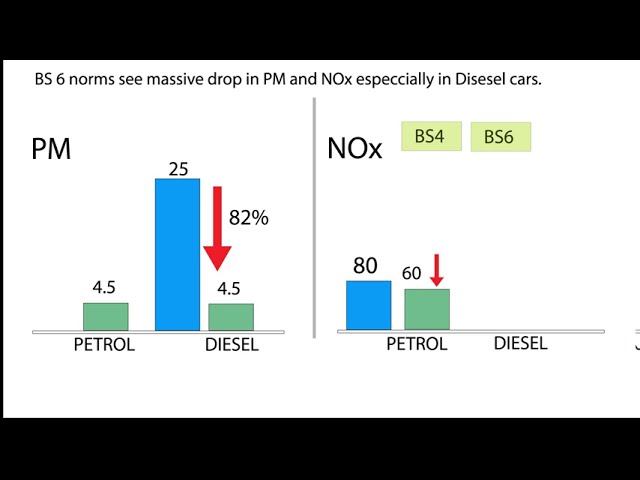
If you’ve bought a car in the last few years, you’ve probably heard terms like BS4 and BS6. But what do these “BS” norms actually mean, and how do they affect how long your car can stay on the road? Let’s break it down in simple words. What Are BS Norms? “BS” stands for Bharat Stage, the emission standards set by the Indian government to control air pollution from vehicles. These norms decide how much your car can pollute — basically, how clean the engine runs. BS4 was the previous emission standard implemented nationwide in 2017. BS6 is the current standard that came into effect from April 2020. BS6 is much stricter and cleaner compared to BS4 — the emissions are almost 70–80% lower. Difference Between BS4 and BS6 Vehicles Let’s understand the major differences between the two: Emission Levels:BS6 vehicles release much fewer pollutants like nitrogen oxide (NOx) and particulate matter. Fuel Type:BS6 vehicles need low-sulphur fuel, which is cleaner and helps in better engine performance. Technology:BS6 engines use advanced tech like DPF (Diesel Particulate Filter) and SCR (Selective Catalytic Reduction) to control pollution. Maintenance & Cost:BS6 vehicles can be slightly more expensive due to new technology, but they are better for long-term performance and environment. How BS Norms Affect Car Lifespan Pollution norms directly decide how long a car can stay on the road — especially in cities like Delhi NCR, where the government follows strict NGT (National Green Tribunal) rules. Here’s how it works: Petrol Cars: Allowed for 15 years from registration. Diesel Cars: Allowed for 10 years from registration. So, whether your car is BS4 or BS6, the rule applies the same — but the cleaner your engine, the better it is for future regulations. Will BS4 Cars Be Banned? In some regions like Delhi NCR, older BS3 and BS4 commercial vehicles are already facing restrictions due to high pollution levels.BS6 vehicles, being cleaner, are likely to have a longer regulatory lifespan and face fewer restrictions in the coming years. Should You Upgrade from BS4 to BS6? If your BS4 vehicle is running fine and meets PUC norms, you don’t need to worry immediately.But if you’re planning to buy a new car, BS6 is the future-proof choice — it offers: Better mileage Lower emissions Smoother performance Compatibility with upcoming policies Final Thoughts BS norms are not just about pollution — they’re about the future of clean mobility in India.BS6 cars are not only better for the environment but also a smarter investment in the long run. Want to check how long your car can legally stay on the road as per current pollution norms?Use our free tool — CarExpiryCalculator.com — and find out your car’s expiry year in seconds!

Uncategorized

All About Vehicle Fitness Certificate: Renewal, Cost & Process in India

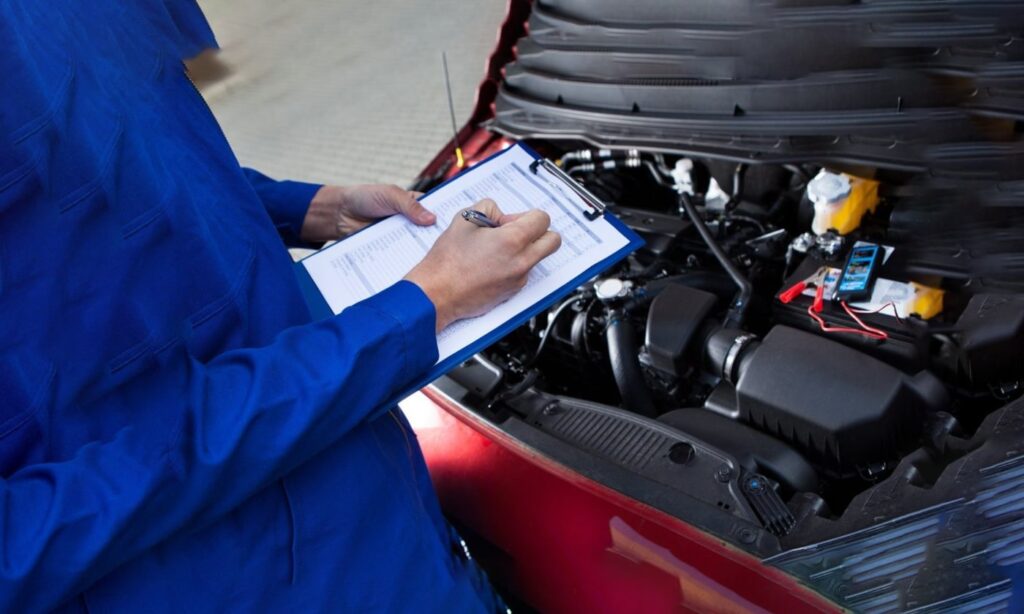
If you own a car or any other vehicle in India, you might have heard the term “Fitness Certificate” or “FC” while visiting the RTO. But what exactly is it, and why is it so important? Let’s break it down simply. What is a Vehicle Fitness Certificate? A Vehicle Fitness Certificate (FC) is an official document issued by the Regional Transport Office (RTO) to confirm that your vehicle is fit to be driven on Indian roads. It ensures your car, bike, or commercial vehicle meets the safety and emission standards set by the government. Without a valid fitness certificate, your vehicle is considered unfit for use and can even be fined if found on road. Why is it Important? Just like humans need regular health checkups, vehicles need a “fitness check” too. The certificate ensures that your vehicle: Is not causing excessive pollution. Is mechanically safe to drive. Follows the government’s emission norms. Especially for older vehicles (like 15-year-old petrol or 10-year-old diesel cars in Delhi NCR), the fitness certificate plays a key role in determining if the vehicle can still be used or must be scrapped as per NGT norms. Validity of Vehicle Fitness Certificate Private Vehicles (like cars and bikes) – Valid for 15 years from the date of registration, after which it needs to be renewed every 5 years. Commercial Vehicles (like taxis, trucks, etc.) – Valid for 2 years, and then must be renewed every year. Process to Get or Renew a Vehicle Fitness Certificate Here’s a simple step-by-step process: Visit your nearest RTO with your vehicle. Submit the required documents, which generally include: Registration Certificate (RC) Insurance certificate Pollution Under Control (PUC) certificate Tax receipts Identity proof Pay the applicable fees. Vehicle Inspection:An RTO inspector checks your vehicle’s brakes, lights, emission levels, engine, tires, and general condition. Fitness Certificate Issued:If your vehicle passes the inspection, you’ll receive a renewed fitness certificate. Fitness Certificate Renewal Cost The fees may vary slightly depending on the state, but on average: For two-wheelers: ₹200 – ₹300 For light motor vehicles (cars): ₹600 – ₹1,000 For commercial vehicles: ₹1,000 – ₹1,500Additional fees may apply if you delay renewal or fail the inspection and need a re-test. What Happens if You Don’t Renew It? Driving a vehicle without a valid fitness certificate is illegal. The fine can go up to ₹10,000, and in some cases, your registration can be cancelled. Final Thoughts Getting your Vehicle Fitness Certificate renewed on time not only keeps you safe from penalties but also ensures your car is environmentally safe and road-worthy. If you want to check how long your vehicle can be used as per pollution norms or age limits, you can easily check it on our tool — CarExpiryCalculator.com — it’s fast, free, and super easy to use!

Has Delhi’s End-of-Life Vehicle Policy Ended? What the Latest Says
Uncategorized

Has Delhi’s End-of-Life Vehicle Policy Ended? What the Latest Says

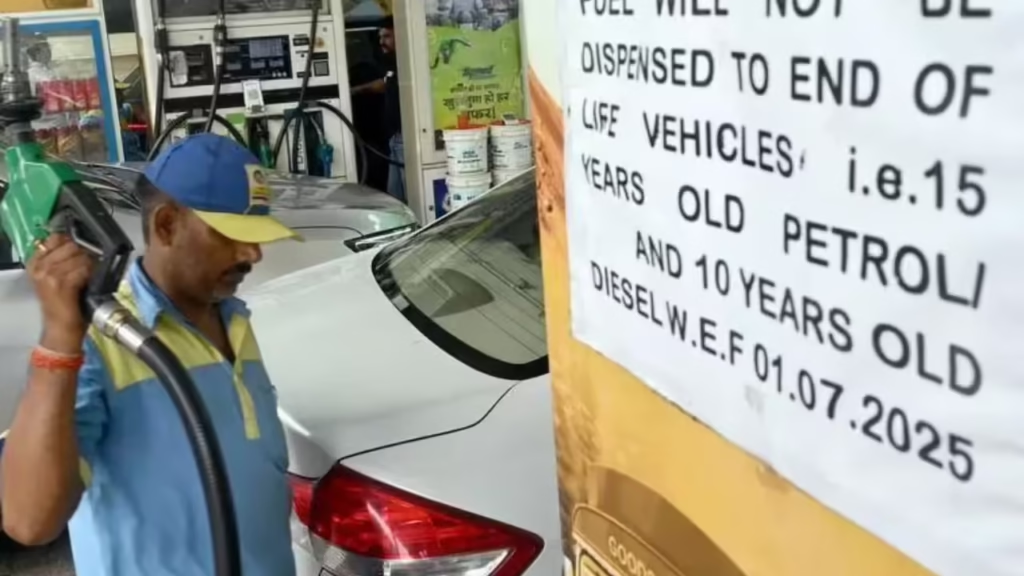
Delhi’s ELV (End-of-Life Vehicle) policy has been one of the most talked-about regulations in recent years. Many owners of older petrol and diesel vehicles have been asking: Is the ban over? Have rules relaxed or been revoked? Here’s what the latest updates show. 🔍 What Is the ELV Policy? Under Delhi’s existing rule, petrol vehicles older than 15 years and diesel vehicles older than 10 years are considered “end-of-life.” As per this policy, such vehicles are not permitted to refuel at fuel stations, and enforcement includes ANPR scanning, fuel refusal, fines, or impoundment. These norms stem from orders by the National Green Tribunal (NGT) (2015) and were upheld by the Supreme Court in 2018. 🛑 Has the ELV Policy Ended? Short answer: No. The ELV policy has not ended. It remains in place, though its enforcement timeline has been modified and operations delayed in certain respects due to various challenges. Here’s what’s clear from recent developments: Fuel Ban on Over-Age Vehicles Is Still IntactDelhi government along with the Commission for Air Quality Management (CAQM) continues to enforce the ban on refuelling of over-age petrol/diesel vehicles. This is not relaxed or revoked. Business Today+2Business Standard+2 New Implementation Dates / Postponements Originally, the no-fuel rule was supposed to take effect in Delhi from July 1, 2025. Business Today+2The Economic Times+2 But due to implementation gaps (technological, logistical, enforcement capacity), the enforcement date for Delhi and five high-vehicle-density districts in NCR has been aligned to November 1, 2025. The rest of NCR is expected to follow from April 1, 2026. The Times of India+2Business Standard+2 Fact-Checks Against Claims of Revival or Revocation There are no credible notifications or orders that have officially revoked or ended the ELV policy. Some reports or rumors claimed that the ban was withdrawn, but they have been debunked by ministries and official sources. The Times of India+1 ⚠️ What This Means for Vehicle Owners Because the ban is not ended, vehicle owners need to stay alert. Here are the implications: If your car is over the age limit (petrol > 15 years or diesel > 10 years) in Delhi-NCR, you could soon face fuel denial, fines, or impoundment if it’s driven or used publicly. Even if your vehicle seems compliant now, the upcoming enforcement dates (Nov 1, 2025 for many districts) are coming up. Delay in readiness could lead to problems. Owners should check their vehicle’s registration date, condition, and fitness status — using tools like Car Expiry Calculator or via VAHAN / Parivahan portals — to know where they stand. ✅ What You Should Do Now To stay ahead and avoid trouble: Check Your Vehicle Age & RC ValidityUse your registration date to see if your vehicle is approaching or beyond the threshold. Ensure Valid Pollution & Fitness CertificatesEven over-age vehicles may be scrutinized in terms of emissions, mechanical fitness, etc. Plan for AlternativesIf your vehicle is over the age limit, consider selling it, transferring registration to a state with different rules (if allowed), or scrapping via licensed facility. Stay Updated with Official NotificationsChanges might come through orders from CAQM, Supreme Court, or the Delhi government. Be wary of rumors or unverified social media posts. 📌 Conclusion The End-of-Life Vehicle policy in Delhi-NCR has not ended. Enforcement has been delayed in some areas, and there are revised timelines for certain districts. Owners of older vehicles still need to plan for compliance. Check Your Car Expiry Date Now

Uncategorized

🚗 Resale Value of Cars in 2025: How Expiry Rules Are Affecting Prices

The used car market in India has changed drastically in the last few years. In 2025, resale value is no longer just about mileage and brand — it’s also about RC expiry, fitness status, and compliance with regional bans like the 15-year petrol and 10-year diesel rule in Delhi-NCR. If you are planning to sell your old car or buy a used one, understanding how these rules impact prices can help you make smarter decisions. 📉 How Age and Expiry Rules Affect Car Resale Value 1️⃣ RC Expiry = Immediate Value Drop Vehicles nearing their RC expiry (15 years for petrol, 10 years for diesel in Delhi-NCR) see a steep price drop. Buyers hesitate to pay premium prices since they may not be able to use the car for long. 2️⃣ Diesel Cars Hit the Hardest Diesel cars older than 8–9 years are selling at a significant discount because of the 10-year cap. Owners outside NCR can still buy them, but logistics and RC transfer costs reduce demand locally. 3️⃣ Fitness Test Uncertainty In states where fitness testing after RC expiry is allowed, cars still lose value if they are about to be tested. A failed fitness test means forced scrapping, which discourages buyers from paying good money. 4️⃣ Scrappage Policy Incentives The new scrappage policy offers small benefits (like 4–6% discount on new cars) for scrapping old vehicles. This puts an unofficial “price ceiling” on over-age vehicles — buyers won’t pay more than scrap + transfer costs. 5️⃣ Fuel Type Matters More Than Ever CNG and petrol cars under 10 years hold better resale value in 2025 because they are future-proof for longer. Diesel cars are depreciating faster, especially in metro cities due to stricter emission norms. 📊 Real-World Example Car Type Age Approx. Resale Value (2025) Notes Diesel SUV (Delhi NCR) 9 years 20–30% lower than non-NCR regions Buyers hesitant due to nearing 10-year expiry Petrol Hatchback 12 years Drops by 40–50% after year 13 Hard to sell after 15-year mark Petrol Sedan (CNG Fitted) 8 years Holds value better Seen as low-cost, NCR-compliant car 💡 Tips to Get the Best Price for Your Car Check RC Expiry Before Selling Use Car Expiry Calculator to see how many months are left before your RC expires. Sell Early if Nearing Expiry The closer you are to 10 or 15 years, the more your resale value drops. Get a Fresh PUC and Service Done A car with valid PUC and service history sells faster and at a higher price. Consider Selling Outside NCR If you own a diesel car nearing 10 years, look for buyers in states where age-based bans are not enforced. Plan for Scrapping if No Buyers Sometimes, scrapping and availing the incentive for a new car makes more financial sense than trying to sell. 🧠 Key Takeaway In 2025, regulations are as important as your car’s condition when it comes to resale value.Selling before RC expiry can get you 15–20% more than waiting until the ban kicks in. Always check your vehicle’s age, RC validity, and PUC status before listing it for sale — and if you’re buying a used car, confirm that it won’t be banned in your city within a year or two.

Uncategorized

🚗 Supreme Court Temporarily Revokes Ban on 15-Year-Old Petrol and 10-Year-Old Diesel Cars in Delhi-NCR

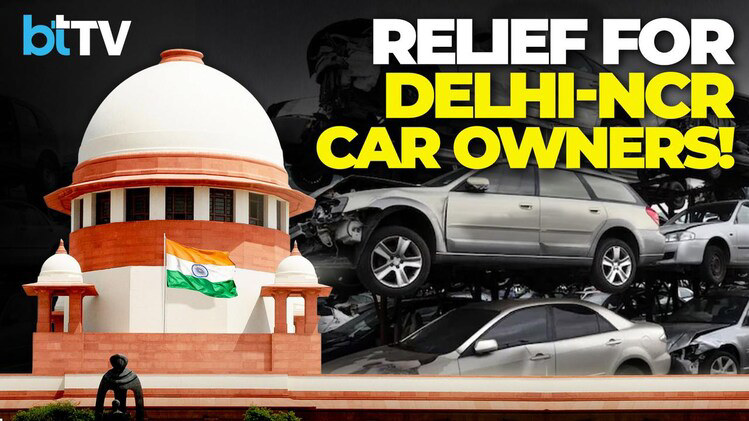
In a major relief for vehicle owners, the Supreme Court of India has temporarily lifted the ban on 15-year-old petrol and 10-year-old diesel vehicles in Delhi-NCR. This decision impacts thousands of daily commuters, transport operators, and car owners who were facing challenges due to strict enforcement of the National Green Tribunal (NGT) rules. 🔍 What Was the Original Rule? Petrol Cars: Banned after 15 years of registration. Diesel Cars: Banned after 10 years of registration. Reason: To curb rising air pollution levels in Delhi-NCR, which consistently ranks among the world’s most polluted regions. Until now, vehicles older than these limits were not allowed to run on public roads, and many owners were forced to scrap them or shift them outside NCR. ⚖️ Supreme Court’s Temporary Relief The recent order allows older vehicles to continue operating for a limited time, provided they: Have valid PUC (Pollution Under Control) certificates. Are mechanically fit and safe for road use. Do not violate ongoing pollution control measures in the region. This decision comes after several petitions from car owners, taxi associations, and trade bodies who argued that sudden enforcement caused financial and livelihood issues. 🌍 Why Did the Court Take This Step? The Supreme Court acknowledged: The economic burden on middle-class families and commercial drivers. The importance of balancing environmental protection with livelihood concerns. The possibility of stricter pollution checks and enforcement rather than a blanket ban. 🚘 What This Means for Vehicle Owners Temporary Relief: You can continue using your petrol (15+ years) or diesel (10+ years) car for now in Delhi-NCR. Condition-Based Use: Vehicles must meet pollution and fitness norms. Uncertainty Remains: This is a temporary order — a final judgment on whether the ban will be permanently relaxed or re-imposed is still pending. 📌 Key Implications For Car Owners: Extra time to use, sell, or upgrade vehicles. For Used Car Market: Increase in demand for older cars since they’re temporarily allowed. For Pollution Control: More emphasis on regular PUC checks and fitness certifications. ✅ Pro Tip for Vehicle Owners Before driving in NCR, always: Check your vehicle’s RC expiry and validity using tools like Car Expiry Calculator. Renew your PUC certificate on time. Keep fitness certificates updated if your vehicle is older. This will help you avoid fines and ensure compliance with future rulings. 🧠 Conclusion The temporary revocation of the 15-year petrol and 10-year diesel ban by the Supreme Court is a welcome relief for many Delhi-NCR residents. However, since the order is not permanent, vehicle owners should stay updated on the final ruling and plan accordingly — whether to keep, sell, or scrap their old vehicles. For now, if your car is fit, insured, and PUC-certified, you can keep driving without worry. 🚙✨

Scroll to Top